
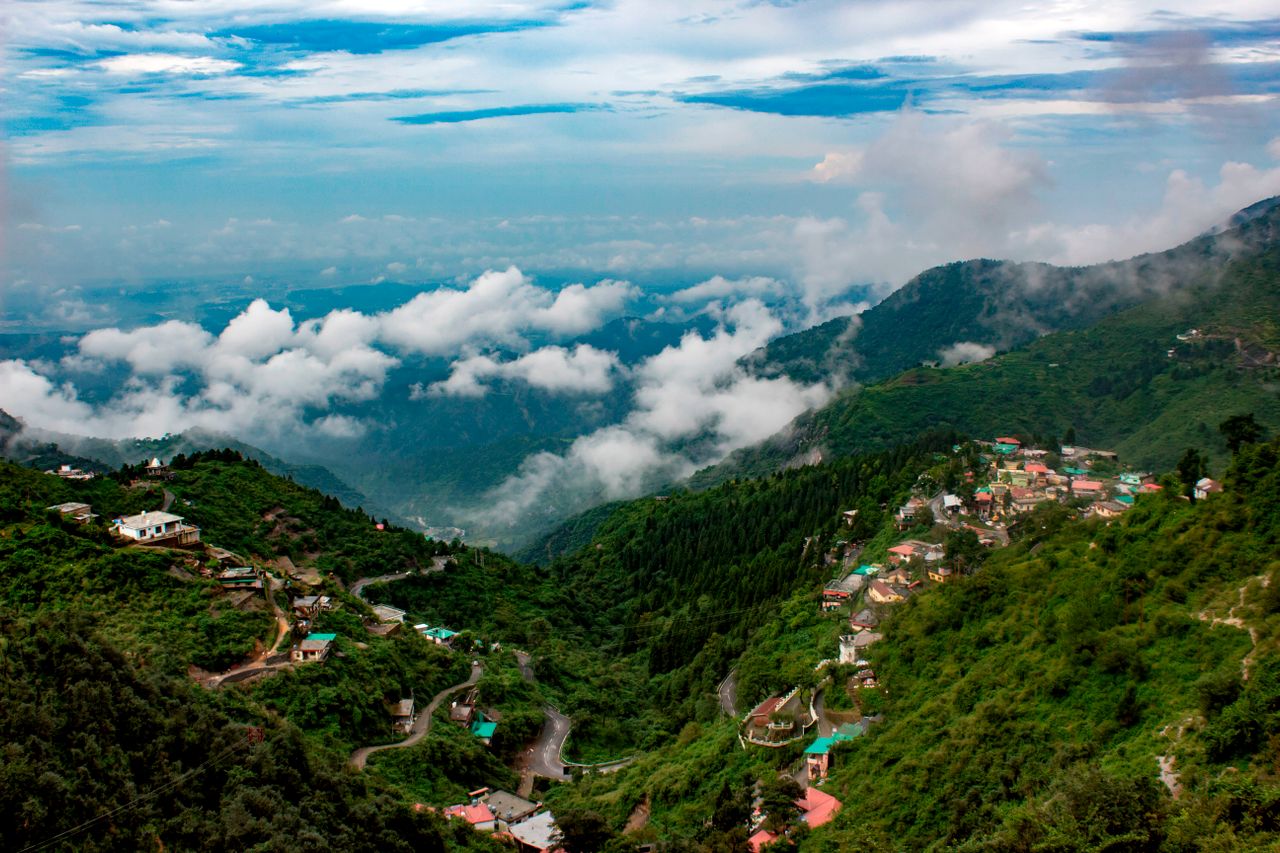
This comprehensive travel guide provides a strategically structured roadmap to exploring Mussoorie, famously known as the “Queen of the Hills.” The guide optimizes your journey by organizing major attractions into distinct geographic parts: the waterfall-rich North route, the serene and historic East zone of Landour, the adventurous South-West wilderness near Cloud’s End, and the bustling commercial hub of Central Mall Road. By breaking down the best local eateries, accommodation options tailored to different budgets, seasonal travel windows, and essential commuting logistics, this blueprint ensures a seamless, cost-effective, and highly efficient Himalayan vacation.
Sightseeing & Attractions
To save time and money on transit, this guide organizes Mussoorie’s major attractions into four distinct Part.
Part 1: North of Mussoorie (The Kempty Falls Route)
- Kempty Falls: Mussoorie’s most famous waterfall. It can get highly crowded; head down to the lower pools for a slightly better experience.
- Santura Devi Temple: Located on a hilltop on the way to Kempty Falls, offering great panoramic views.
- Lake Mist: A commercialized lake resort area where you can enjoy boating.
- Company Garden: A manicured public garden featuring an artificial waterfall, flower beds, an amusement park for kids, and a small food court.
- Happy Valley & Dalai Hill: The Tibetan settlement area. Dalai Hill features a beautiful trail lined with prayer flags leading to a massive Buddha statue, highly recommended for sunset.
- Shedup Choephelling Monastery: A peaceful Buddhist monastery located in Happy Valley.
Part 2: East of Mussoorie (Landour & Dhanaulti Route)
- Landour: A quiet, cantonment town with British-era charm, strict construction laws, and a peaceful vibe.
- Lal Tibba: The highest point in Mussoorie. Features telescopes to view the snow-capped Himalayan peaks.
- Sister’s Bazaar: A small, quaint market area in Landour known for local bakeries and handicraft shops.
- Kellogg Memorial Church & St. Paul’s Church: Historic, scenic churches reflecting British architecture.
- Jabarkhet Nature Reserve: An offbeat, private forest reserve great for peaceful wildlife and nature walks (requires an entry fee).
- Dhanaulti & Eco Park: Located about 28 km away, offering dense pine forests and a much quieter, colder atmosphere than Mussoorie.
- Surkanda Devi Temple: Located further ahead near Dhanaulti; requires a steep trek or a cable car ride to reach the top.
Part 3: South & West of Mussoorie (Cloud’s End Route)
- Sir George Everest’s House & Peak: The historic laboratory of the Surveyor General of India. You can hike up to the peak for incredible 360-degree views of the Doon Valley and Himalayas.
- Cloud’s End: A geographical landmark marking the western end of Mussoorie, surrounded by thick deodar forests. Offers great walking trails.
- Jwala Devi Temple (Benog Hill): A scenic hilltop temple dedicated to Goddess Durga, surrounded by the Benog Wildlife Sanctuary.
- Bhadraj Temple Trek: A popular trekking destination located further west, ideal for adventure seekers.
Part 4: Central Mussoorie (The Core Town)
- The Mall Road: The pedestrian-only heart of the town, filled with shops, game parlors, and street food.
- Gun Hill: The second-highest peak in Mussoorie. Accessible via a popular ropeway/cable car from Mall Road or by a steep walking trail.
- Camel’s Back Road: A peaceful 3 km walking loop named after a rock formation shaped like a camel’s hump. Perfect for morning or evening walks.
- Bhatta Falls & Mossy Falls: Waterfalls located slightly lower down the hills, offering decent picnic spots.
Where to Stay
Where you stay depends heavily on the vibe you want and your budget:
- Mall Road / Central: Best for first-timers, families, and those without private transport. Easy access to food and taxis, but highly crowded and noisy.
- Landour: Best for couples, solo travelers, and peace-seekers. It features upscale, boutique properties and heritage stays, but is more expensive.
- Library Chowk / Picture Palace: The two endpoints of Mall Road. Staying near these gates offers a good balance of accessibility and slightly lower hotel rates.
Best Cafes & Food
- Landour Bakehouse: Famous for its rustic aesthetics, fresh pastries, sticky buns, and coffee.
- Char Dukan (Landour): A historic row of four shops serving incredible pancakes, waffles, maggi, and bun omelets.
- Cafe Ivy & Little Llama Cafe: Highly popular spots offering great continental food, pizzas, and valley views.
- Lovely Omelette Centre (Mall Road): A legendary tiny stall on Mall Road known for its unique cheese omelets (expect long wait times).
Logistics, Commute & Budget
How to Get There
- By Air/Train: Reach Dehradun (Jolly Grant Airport or Dehradun Railway Station).
- Local Transport to Mussoorie: You can take a local Uttarakhand roadways bus, a shared taxi, or hire a private cab from Dehradun station up to Mussoorie (approx. 1.5 to 2 hours).
Local Commute in Mussoorie
- Vehicles on Mall Road: Vehicles are strictly banned or heavily fined on Mall Road during peak hours. You will have to walk.
- Bike Rentals: Scooters and motorbikes are widely available for rent near Library Chowk/Picture Palace and are the most cost-effective way to cover the clusters.
- Local Taxis: Regulated by a local taxi union with fixed-rate cards. Can be expensive if you are traveling solo or in a small group.
Estimated Budget
- Budget Trip: ₹1,500 – ₹2,500 per day (Hostels/homestays, scooty rentals, street food).
- Mid-Range Trip: ₹4,000 – ₹7,000 per day (3-star hotels, private taxis/scooters, cafe dining).
- Luxury Trip: ₹10,000+ per day (Luxury resorts in Landour or outer Mussoorie, private cabs).
Best Time to Visit
- March to June (Summer): Pleasant weather, perfect for escaping the plains’ heat. This is peak season, so expect high crowds and peak hotel pricing.
- October to February (Winter): Cold weather with a high chance of witnessing “Winterline” (a rare atmospheric phenomenon visible from Mussoorie). Late December to January brings a chance of snowfall.
- July to September (Monsoon): Heavy rainfall makes the hills lush green, but brings significant risks of landslides and roadblocks. Avoid unless you plan to just stay inside a resort.
Ultimately, Mussoorie offers a dynamic blend of lively colonial-era commercial hubs and tranquil, pine-scented mountain retreats, making it a versatile destination for every type of traveler. By utilizing the part-based approach outlined in this guide, you can eliminate erratic backtracking, save significantly on local transport, and strike the perfect balance between the bustling energy of Mall Road and the peaceful heritage charm of Landour. Whether you are hunting for atmospheric winterlines, cafe-hopping through historic lanes, or trekking to misty Himalayan peaks, careful planning around seasonal crowds and local traffic rules is the true key to unlocking an unforgettable mountain getaway.